


Top 5 Books on Money Habits: Building Your Financial Knowledge Foundation
The Power of Financial Literature
Building wealth isn't just about accumulating money — it's about creating the life you envision. While the journey to financial independence looks different for everyone, one universal truth holds steady: informed decisions lead to better outcomes.
Financial literature is a potent tool in shaping how we make decisions about money. Books, in particular, have long been a powerful resource for gaining the knowledge and strategies needed to take control of your financial future. They provide more than advice — they empower you to ask smarter questions, develop sound strategies, and create a resilient financial plan.
Here's a summary of five transformative books that can shape your financial future. Whether you're just beginning your journey or fine-tuning your strategy, these books offer practical insights to help you build a solid financial foundation.
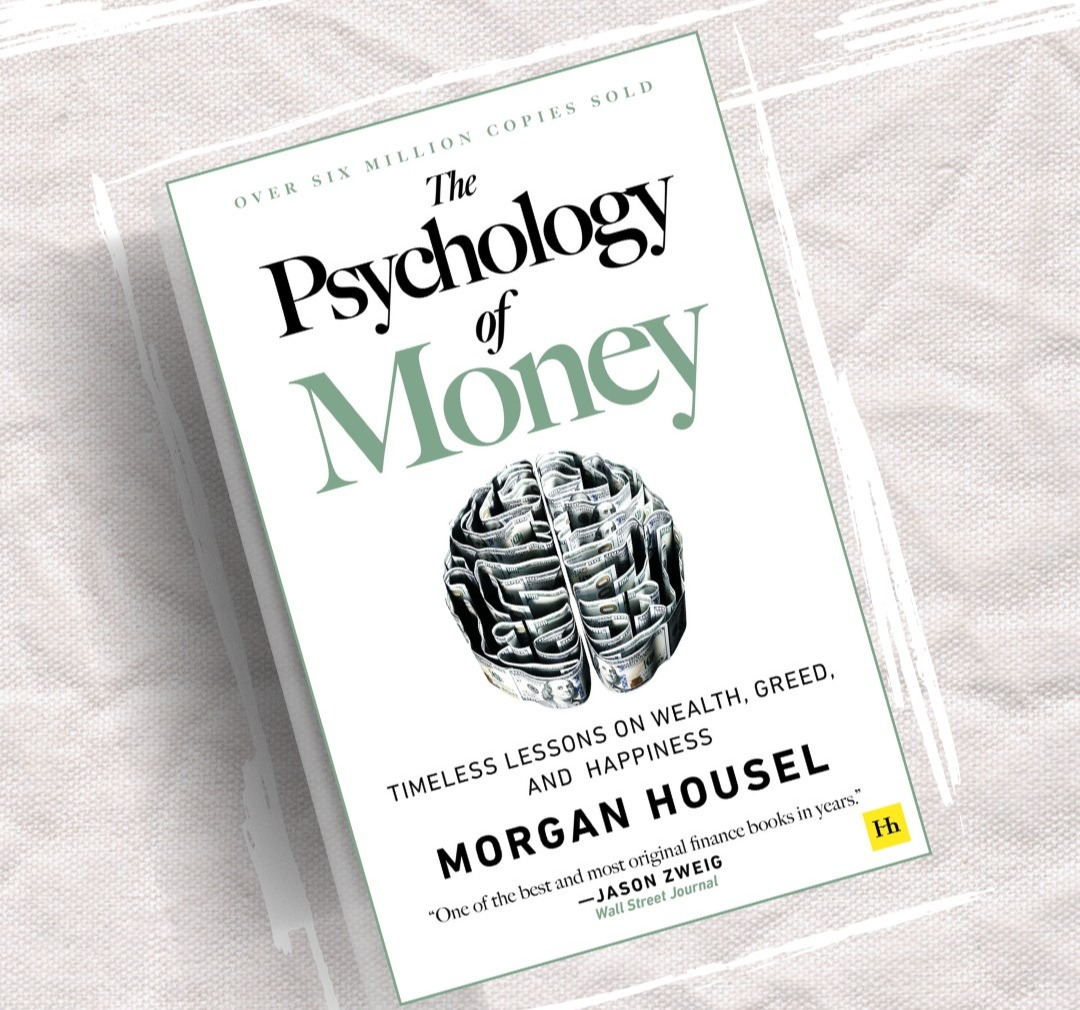
The Psychology of Money by Morgan Housel
"Doing well with money has a little to do with how smart you are and a lot to do with how you behave." — Morgan Housel
A janitor, Ronald Read, died with an $8 million fortune in 2014. Despite never earning more than $30,000 annually, he invested small amounts consistently in blue-chip stocks for 60+ years. The power wasn't his investment picks — it was his patience and emotional control. He never sold during market crashes, while many "sophisticated" investors panicked. This story illustrates Housel's core message: investing success is about behavior, not intelligence.
Actionable Takeaway: Before making any purchase over $100, wait 48 hours. Track your spending decisions and note which ones were emotional vs. logical. Set up automatic savings to remove emotional decision-making from wealth building. One framework we discuss often is the Pay Yourself Too strategy, which focuses on automating savings before lifestyle spending occurs.
Go Deeper
Morgan Housel's biggest lesson isn't about investing. It's about behavior. Successful investors often win because they remain disciplined when others become emotional.
Continue Reading:
- The Most Important Lesson From The Psychology of Money
- Long-Term Investing: Why Successful Investors Focus On Time
- Our Process
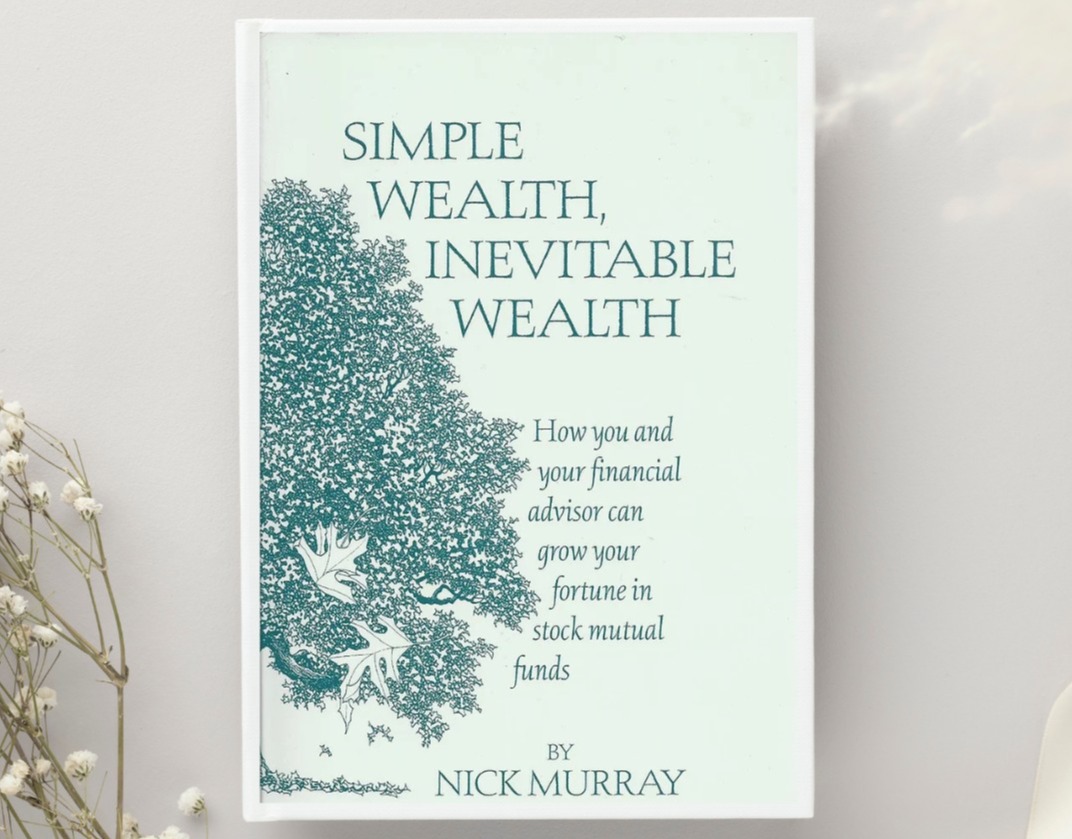
Simple Wealth, Inevitable Wealth by Nick Murray
"Time is the only thing that matters in investing, and almost nobody has the time." — Nick Murray
In today's fast-paced market environment, Murray's emphasis on long-term investing is more relevant than ever. While cryptocurrencies and meme stocks grab headlines, the fundamentals of wealth building remain unchanged.
Consider two different approaches to saving: Sarah starts at age 25, investing $5,000 annually for just 10 years ($50,000 total), then never invests another dollar. Michael waits until 35, then invests $5,000 annually for 30 years ($150,000 total). Who ends up with more money at age 65?
Most people guess Michael, since he invested three times as much money. However, assuming a 7% annual return, Sarah ends up with $602,070 while Michael ends up with $540,741. Sarah invested $100,000 less but ended up with more money. This perfectly demonstrates Murray's emphasis on time in the market.
Actionable Takeaway: Start investing today. Set up automatic monthly investments through your employer's 401(k) or a personal IRA. For younger investors, prioritize investing over other financial goals that can wait. For many high earners, building assets outside of retirement accounts through a brokerage account can also create additional flexibility before retirement age. For older investors, it's never too late — increase your contribution rate to make up for lost time and stay committed to your plan.
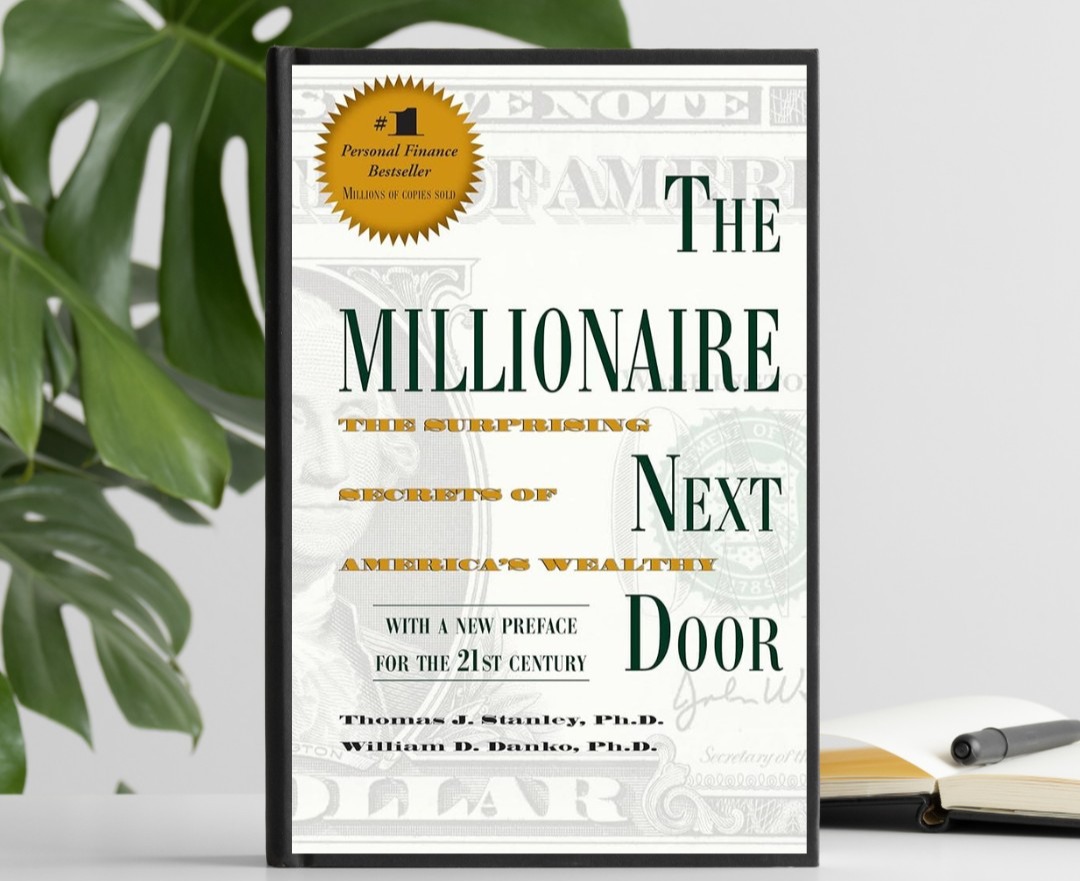
The Millionaire Next Door by Thomas J. Stanley
"Wealth is more often the result of a lifestyle of hard work, perseverance, planning, and, most of all, self-discipline." — Thomas J. Stanley
A recent study of 100,000 millionaires revealed that 79% didn't receive an inheritance, 69% averaged less than $100,000 yearly income, and 93% used employer retirement plans rather than risky investments. The median millionaire drove a 3-year-old car and lived in the same house for 20+ years. Stanley's research proves that sustainable wealth comes from consistent habits, not flashy lifestyles.
Actionable Takeaway: Most millionaires build wealth through small, consistent decisions rather than dramatic ones. Save or invest 15-20% of income automatically, drive cars for 5+ years, keep mortgage payments under 2x annual income, and avoid lifestyle inflation with raises. A household earning $100,000 saving 20% annually becomes a millionaire in roughly 25 years at 7% returns. No inheritance, no lucky stock picks, no six-figure salary required. We often discuss this concept through what we call the 60% Solution — a flexible cash flow framework designed to keep fixed expenses manageable while still allowing intentional lifestyle spending.
Go Deeper
One of the book's most important lessons is that income and wealth are not the same thing. Many financially successful families quietly build wealth over decades through intentional decisions and consistent habits.
Continue Reading:
- Why Most Millionaires Don't Look Like Millionaires
- Pay Yourself Too: A Reverse Budget Strategy
- Why High Earners Need Brokerage Accounts Beyond Their 401(k)
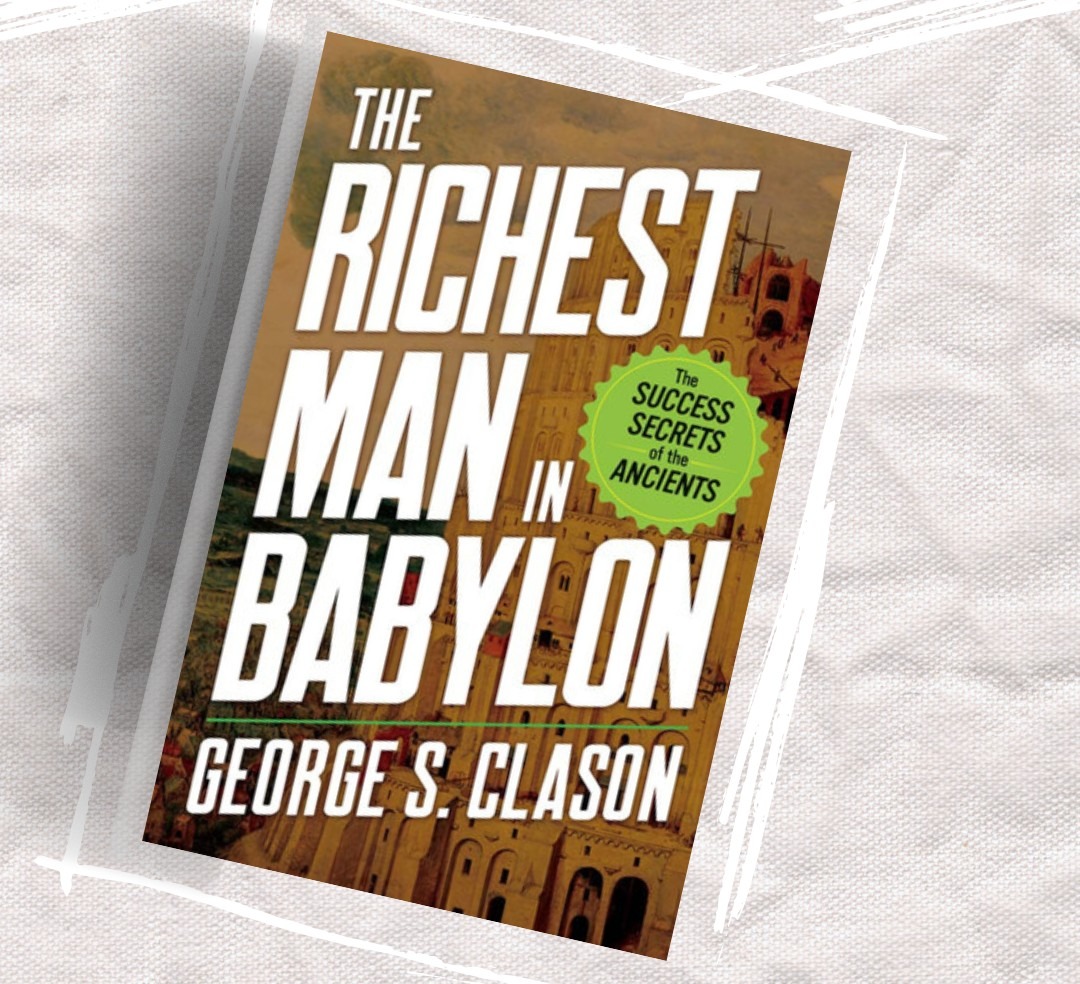
The Richest Man in Babylon by George S. Clason
"A part of all you earn is yours to keep." — George S. Clason
Imagine three people, each earning the same $5,000 paycheck every month. Person A spends first and saves what's left over — which is often $0. Person B saves 10% right away and spends the remaining $4,500. Person C saves 10%, invests another 10%, and spends the remaining $4,000.
By the end of the year: Person A has no savings and no investments. Person B has $6,000 in savings. Person C has $6,000 in savings and $6,000 invested. The difference isn't income — it's how money is managed.
If you start at age 25 by investing $400 monthly at a 7% annual return: by age 35 you have $69,000, by age 45 you have $196,000, by age 55 you have $442,000, and by age 65 you have $912,000. The simple act of paying yourself first creates wealth automatically and painlessly.
Actionable Takeaway: Set up three automatic transfers on payday — 10% to investments, 10% to savings, remaining 80% to a spending account. We recently expanded on this concept through a modern cash flow framework called the Pay Yourself Too strategy.
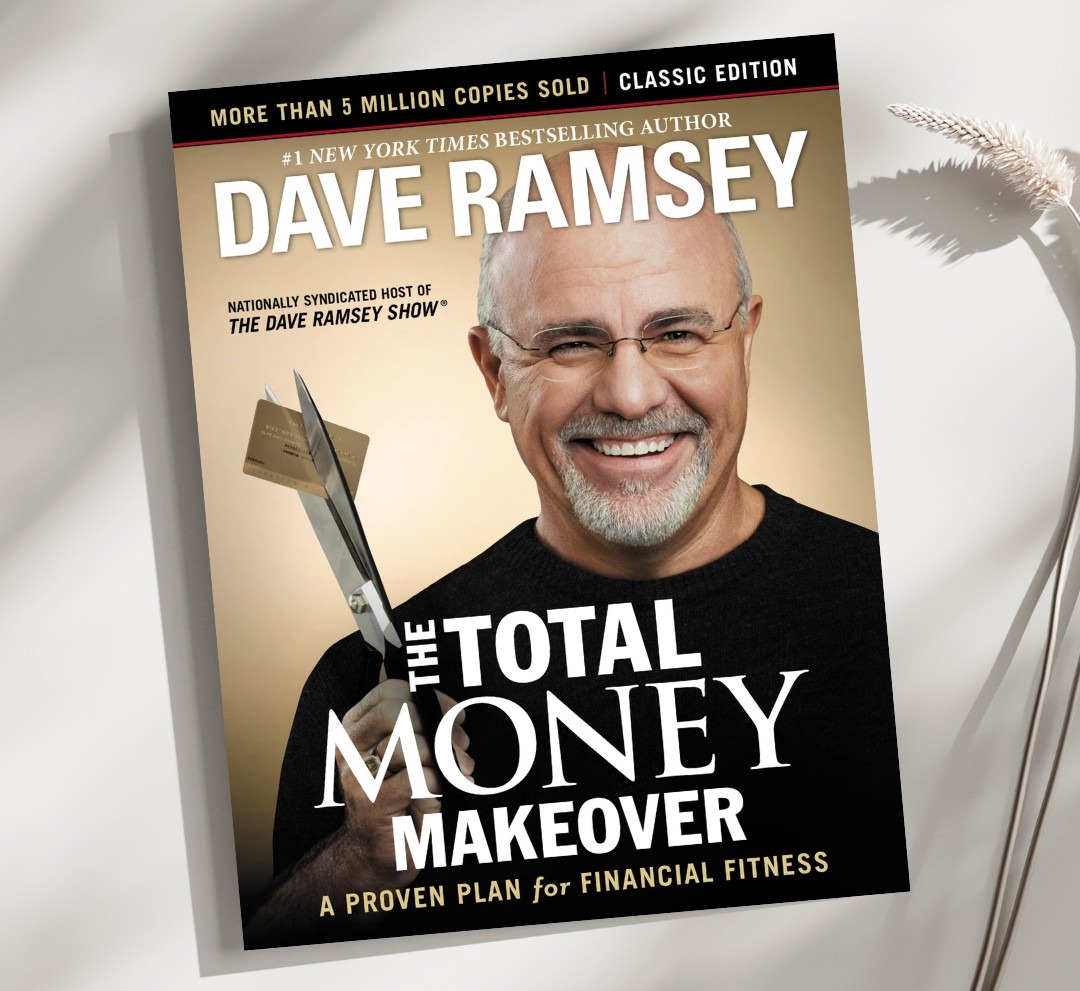
Total Money Makeover by Dave Ramsey
"You must gain control over your money or the lack of it will forever control you." — Dave Ramsey
Consider two debt payoff strategies. Strategy A focuses on the highest interest rate first to minimize overall interest paid. Strategy B focuses on the smallest balance first to build momentum with quick wins. For many, the psychological benefits of quick wins can outweigh the financial savings of Strategy A, leading to a higher likelihood of successfully becoming debt-free.
Actionable Takeaway: List all debts from smallest to largest balance. Apply any extra money to the smallest debt while making minimum payments on others. Each time you pay off a debt, roll that payment into the next smallest debt. This snowball effect keeps motivation high and ensures steady progress toward becoming debt-free. For families ready to move beyond debt and start building wealth, our article on breaking the debt cycle covers how to make that transition.
Great Books Create Better Questions
One of the reasons I continue recommending these books is that they challenge how we think about money. Some focus on investing. Some focus on behavior. Some focus on retirement. Others focus on wealth building.
But eventually every reader arrives at the same question: How do these ideas apply to my life?
That's where financial planning becomes valuable. The goal isn't simply collecting financial knowledge. The goal is turning good ideas into thoughtful decisions that support the life you're trying to build.
Whether you're preparing for retirement, building wealth, navigating a career transition, or simply trying to make smarter financial decisions, a coordinated plan can help connect those ideas into a meaningful strategy.
Explore Additional Resources
Retirement Planning
- What Die With Zero Gets Right About Retirement Planning
- Retirement Planning
- Understanding Medicare and IRMAA: What Retirees Need to Know
- How Retirement Income Actually Works
Building Wealth
- Why Most Millionaires Don't Look Like Millionaires
- Pay Yourself Too: A Reverse Budget Strategy
- The 60% Solution
- Why High Earners Need Brokerage Accounts Beyond Their 401(k)
Investing Behavior
- The Most Important Lesson From The Psychology of Money
- Long-Term Investing: Why Successful Investors Focus On Time
- Our Process
- Financial Planning in Dallas
About Colton Richards
Colton Richards, CFP® is an Associate Financial Planner at Apeiron Planning Partners, a Dallas-based financial planning firm. He works with professionals, families, and retirees throughout the Dallas-Fort Worth area, helping clients navigate retirement planning, tax planning, equity compensation, and long-term financial decision-making.
Learn more about Colton Richards →
About Apeiron Planning Partners
Apeiron Planning Partners is a Dallas-based financial planning firm helping individuals, families, professionals, and retirees coordinate retirement planning, tax planning, investment management, and estate planning.