


Life has a way of teaching us its most important lessons through experience. As financial advisors, we've guided countless clients through estate planning discussions. However, recent personal experiences within our firm have reinforced a crucial truth: estate planning isn't just about documents – it's about family, responsibility, and peace of mind.
What Exactly Is Estate Planning?
Estate planning isn't just for the wealthy – it's for anyone who wants to protect their loved ones and ensure their wishes are carried out. At its core, estate planning is simply the process of deciding what happens to:
- Your assets (home, investments, personal belongings)
- Your minor children (guardianship)
- Your healthcare decisions if you're unable to make them
- Your financial decisions if you become incapacitated
Think of it as creating a roadmap for your family. Without this map, your loved ones are left to navigate complex legal and financial territories during an already emotional time. Basic estate planning often includes:
- A will or trust
- Healthcare directives
- Powers of attorney
- Beneficiary designations
- Guardian nominations for minor children
Estate planning can be as simple or complex as your situation requires. A young family might need just basic documents, while someone with a business or complex family situation might need more sophisticated planning.
A Story That Changed Our Perspective
Consider this recent situation from within our own firm: A mother thought she was doing the right thing by naming her brother and best friend as co-executors of her will. It seemed like a perfect choice – people she trusted deeply. However, when she passed, both declined to serve in this role, leaving her daughter to handle everything. Before even starting the probate process, thousands of dollars in legal fees were needed just to establish her daughter as executor – an expense and headache that could have been avoided with proper planning.
"This scenario illustrates one of the most common mistakes I see," notes Cameron Ressetar, our estate planning specialist. "It's not enough to simply name someone you trust; they need to be willing, capable, and ideally local to handle what can be a complex and time-consuming process."
Common Estate Planning Myths and Realities
Many people delay estate planning due to common misconceptions. Through years of experience, Ressetar has identified four critical oversights that can significantly impact estate plans:
"The most expensive estate plan is often no plan at all," Ressetar emphasizes. "I consistently see four major mistakes: trusts left unfunded – like having a safe but keeping your valuables outside, outdated plans that don't reflect life changes, appointed representatives who can't practically serve, and married couples missing contingent beneficiaries. Each of these can cost families significant time and money to resolve."
The Reality of Not Having a Plan
Without proper estate planning, you're leaving crucial decisions to state laws, which rarely align with what you'd choose for your family. This can mean:
- Longer probate processes
- Higher legal costs
- Additional stress on family members
- Potential family conflicts
- Unintended beneficiaries
- Tax implications that could have been avoided
What Actually Matters in Estate Planning
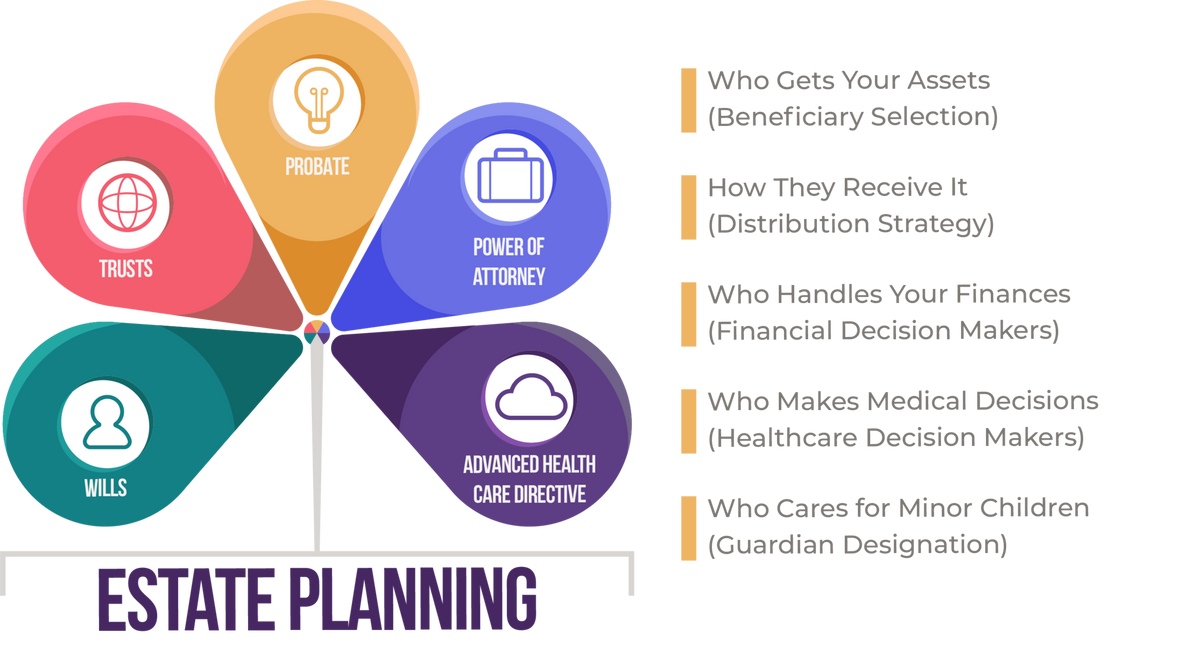
Cameron Ressetar emphasizes five foundational decisions for effective estate planning:
Core Estate Planning Decisions
1. Who Gets Your Assets (Beneficiary Selection)
- Define primary and backup beneficiaries
- Consider charitable giving options
- Plan for unique family circumstances
2. How They Receive It (Distribution Strategy)
- Set age-based distribution timelines (e.g., 1/3 at 25, 30, and 35)
- Allow immediate access for education and healthcare
- Address special needs considerations
3. Who Handles Your Finances (Financial Decision Makers)
- Choose successor trustees and confirm their willingness
- Name executors who can effectively serve
- Designate financial power of attorney
4. Who Makes Medical Decisions (Healthcare Decision Makers)
- Appoint healthcare power of attorney
- Document your end-of-life preferences
- Specify organ donation wishes
5. Who Cares for Minor Children (Guardian Designation)
- Name primary and backup guardians
- Ensure they can work with financial trustees
- Consider their location and family situation
Maintaining Your Plan
Communication
- Discuss roles with appointed decision-makers
- Confirm their willingness to serve
- Document important information locations
Professional Support
- Coordinate between financial advisor, attorney, and tax professional
- Store and organize key documents
- Get guidance for complex decisions
Regular Updates Review your plan when life changes occur:
- Marriage, divorce, or new children
- Moving to a different state
- Major financial changes
- Changes in relationships with executors/trustees
Making Estate Planning Accessible
Your financial advisor should help translate complex estate planning concepts into practical, understandable terms. "Start with the fundamentals," advises Ressetar. "Focus first on who should receive your assets and how they should receive them. For young beneficiaries, we often recommend staged distributions while ensuring immediate access for essential needs like education and healthcare."
Understanding Estate Planning Costs
Cameron Ressetar, our estate planning specialist, notes that costs vary based on complexity, but typical estate plans fall into these ranges:
- Basic Will Package: $1,500-2,500
- Includes will, powers of attorney, and healthcare directives
- Suitable for simple estates and young families
- Trust-Based Plan: $3,000-5,000
- Includes revocable living trust, pour-over will, and supporting documents
- Ideal for families wanting to avoid probate or with minor children
- Complex Estate Plans: $5,000+
- For business owners, blended families, or special needs planning
- Includes specialized trusts and tax planning strategies
"While these costs may seem significant," Ressetar explains, "they're often less than one month of probate fees or the cost of not having proper planning in place. Consider it an investment in your family's future peace of mind."
The Cost of Waiting
Like wearing a seatbelt, you don't truly grasp the importance of estate planning until you experience or witness its impact firsthand. The cost of delay isn't just financial – it's the burden you potentially leave for your loved ones during an already difficult time.
A Better Approach to Estate Planning
At Apeiron Planning, we believe estate planning should be:
- Straightforward and understandable
- Regularly reviewed and updated
- Coordinated with your overall financial plan
- Focused on your family's specific needs
Taking the First Step
Estate planning doesn't have to be overwhelming. Start with a conversation with a Dallas financial advisor who can help you understand your options and connect you with the right legal professionals. The peace of mind that comes from having a proper plan in place is invaluable – not just for you, but for those you care about most.
Ready to Start Your Estate Planning Journey?
Schedule a complimentary consultation to discuss how we can help ensure your estate plan reflects your wishes and provides the protection your loved ones deserve.
- Book Online: https://www.apeironplanning.com/schedule-appointment
- Email: info@aperionplanning.com
- Call: (972) 421-2068